
LEVELS OF HORSEMASTERSHIP
The 10 Levels of Horsemastership
There’s Always Something New to Learn.
At Ashley Mason Equestrian, we believe learning to ride is only part of becoming an equestrian.
We are guided by the Levels of Horsemastership, a 10-Level curriculum hand-created by our founder and Program Director, Ashley Mason. Similar to karate belt levels, this system provides measurable benchmarks so riders and families clearly understand progress and expectations.
With ten levels and five essential areas of education, there’s always something new to learn and another goal to work toward.
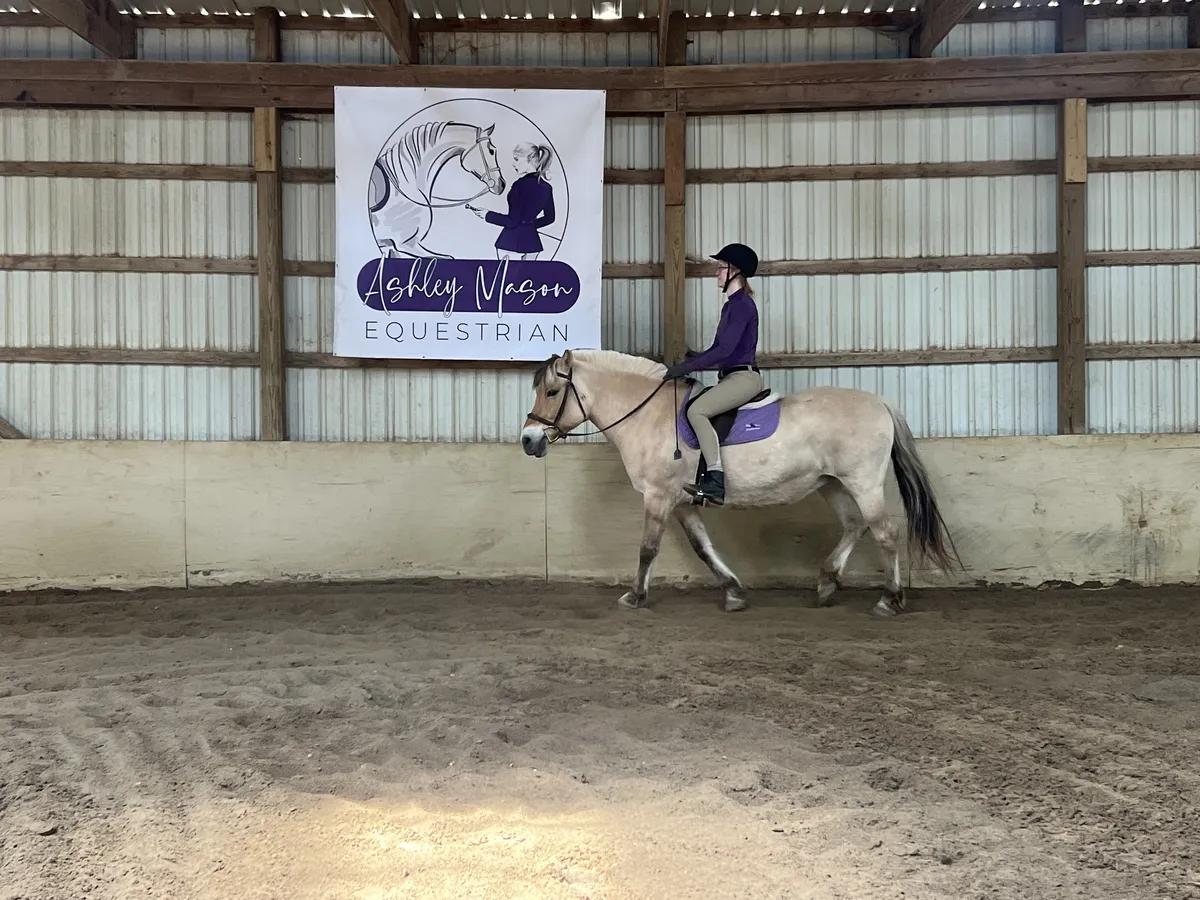
Think of It Like Karate Belts.
In karate, students practice, learn, and show what they can do before they earn their next belt. Levels of Horsemastership works the same way.
Riders practice new skills in their lessons and horsemanship classes. They learn the knowledge behind those skills. When they’re ready, they demonstrate what they know and can do, and they earn their progression to the next level.
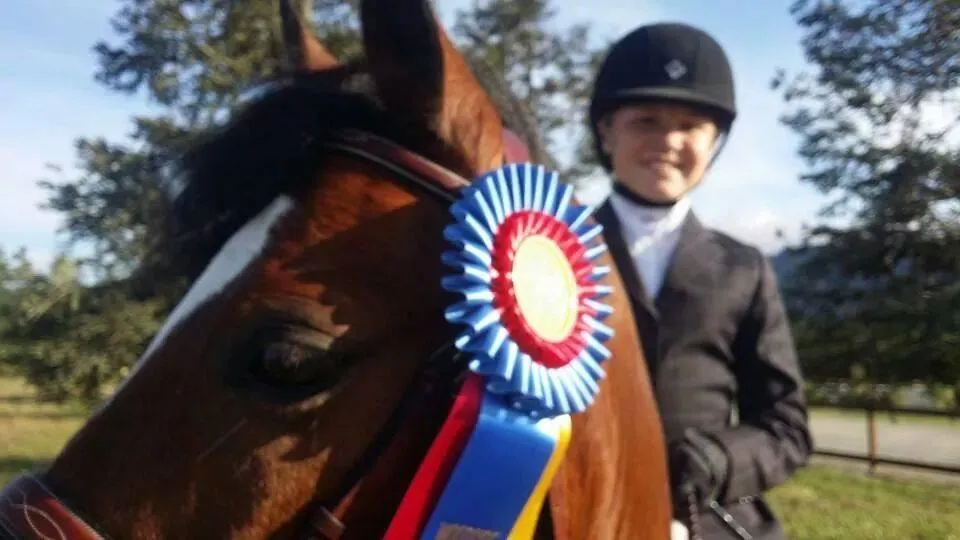
Students earn recognition for completing each pillar, and a rosette when they successfully complete all five.
FIVE PILLARS
Five Pillars. One Complete Equestrian Education.
Every level develops the same five areas of education: Riding, Horsemanship, Knowledge, Tack & Tacking, and Stable Management.
Riding
Position, balance, coordination, and communication.
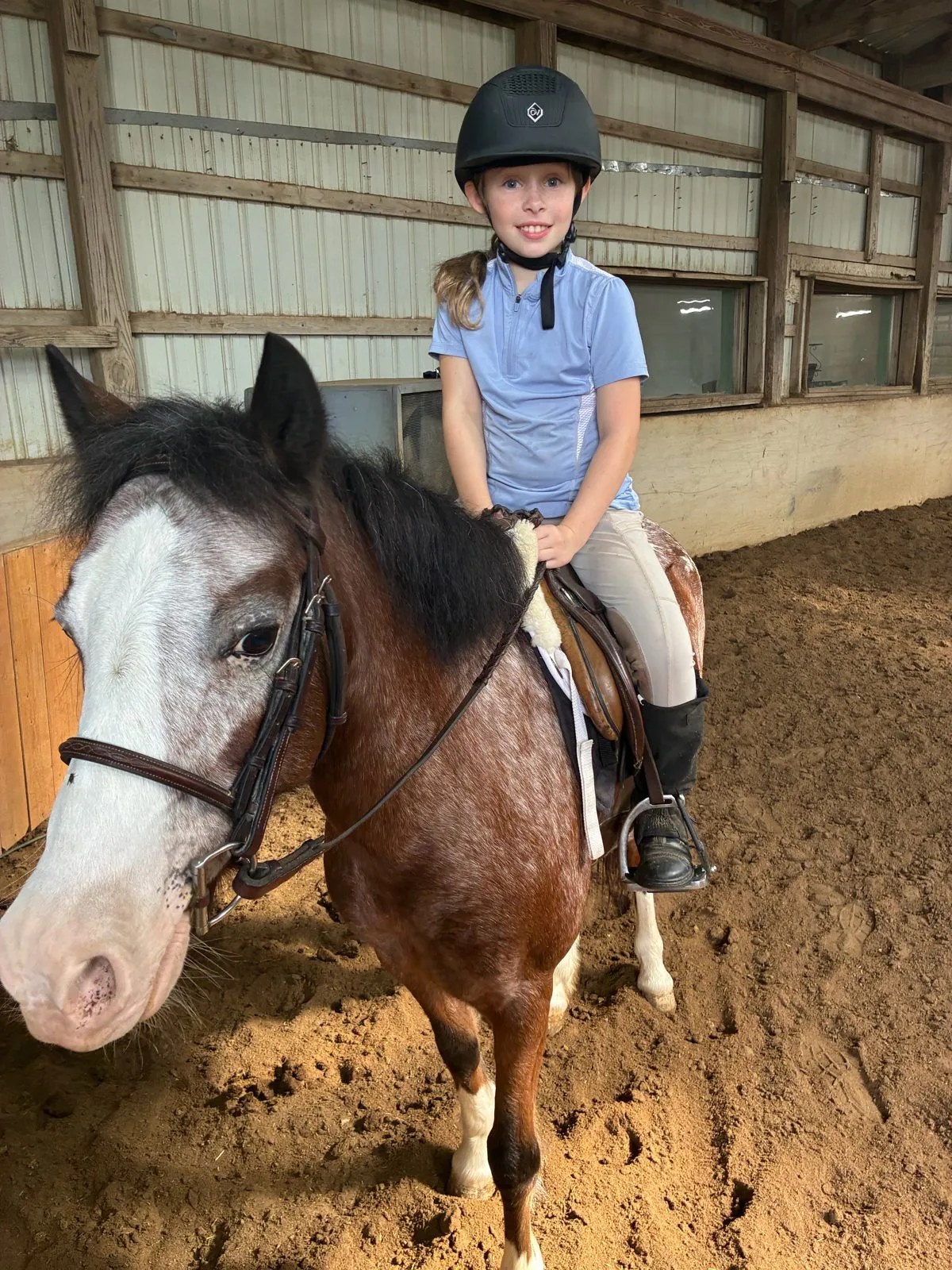
Riders learn a correct, secure position and how to communicate clearly with the horse through their seat, legs, and hands, from the walk all the way to riding complete courses.
Knowledge
Understanding horses, riding, and safety.
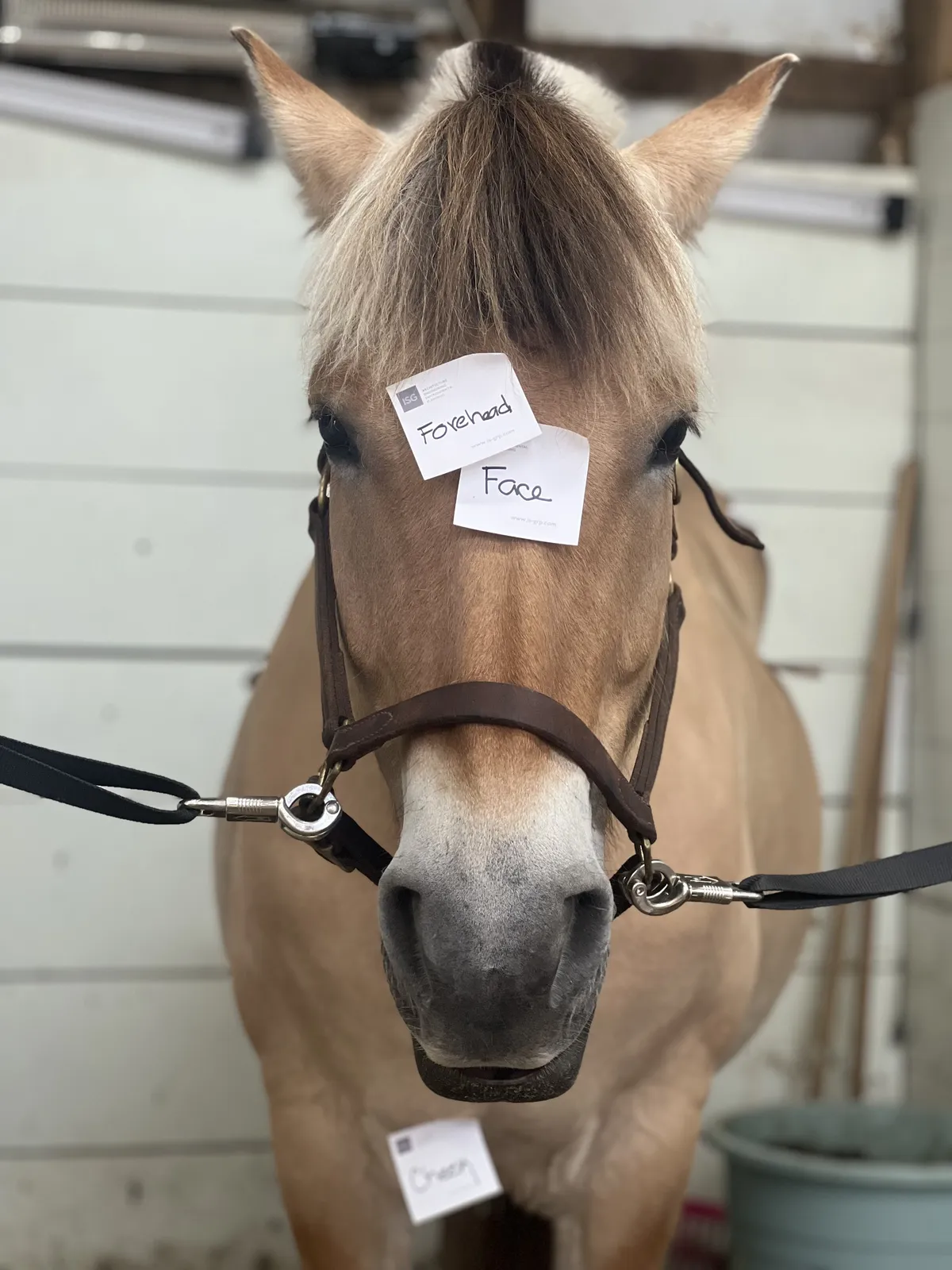
Students learn the parts of the horse, equestrian terminology, safety around the barn, and the reasons behind what they’re asked to do in the saddle.
Horsemanship
Horsemanship
Horse behavior, communication, handling, and care.
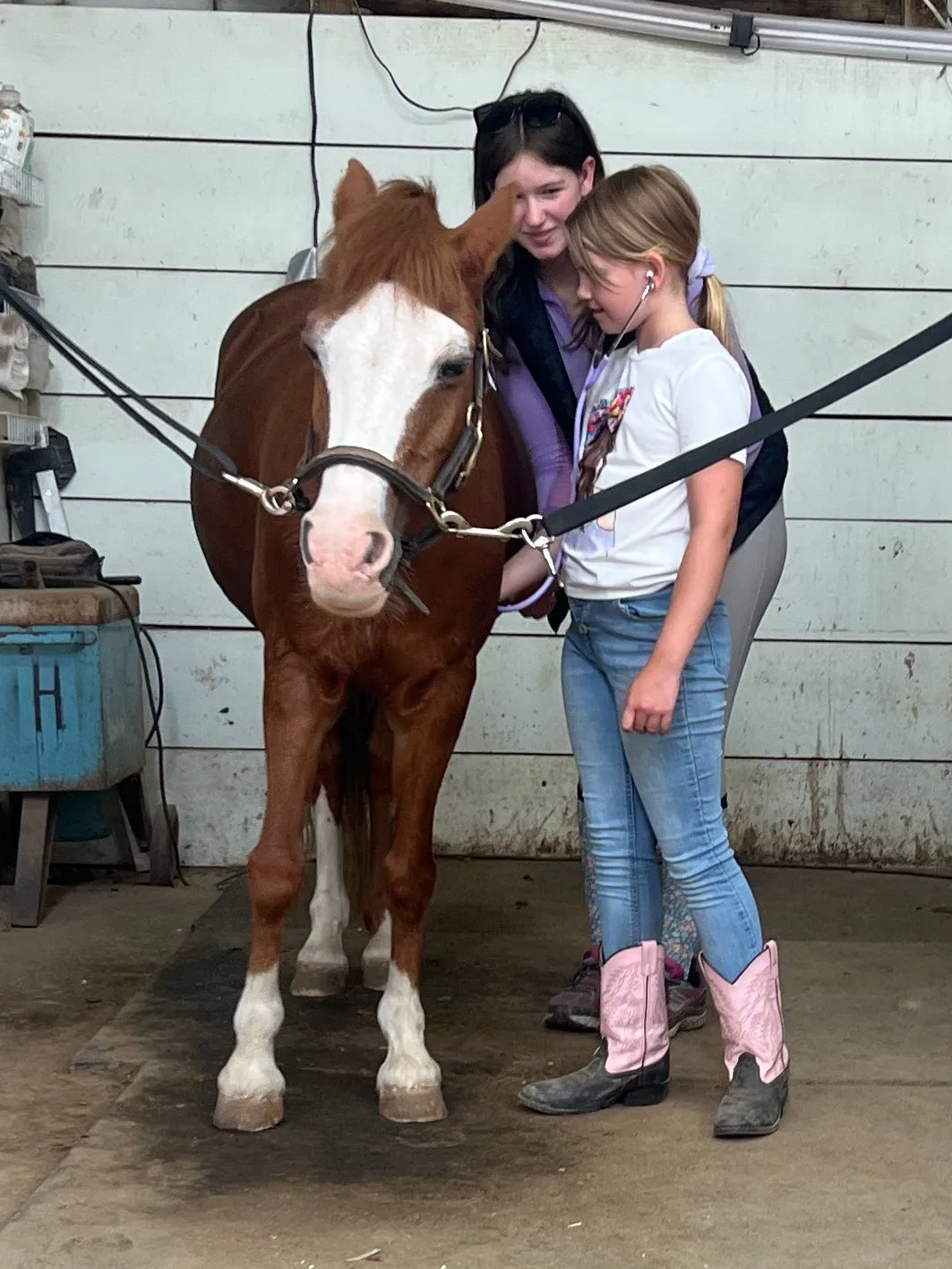
Students learn to read body language, handle horses safely and thoughtfully, and notice when something about a horse’s comfort or condition has changed.
Tack & Tacking
Tack & Tacking
Understanding equipment, proper fit, and preparing horses for riding.
Students learn what each piece of equipment does, how it should fit, how to care for it, and how to tack up a horse correctly before they ride.
Stable Management
Stable Management
Daily horse care and responsibility.
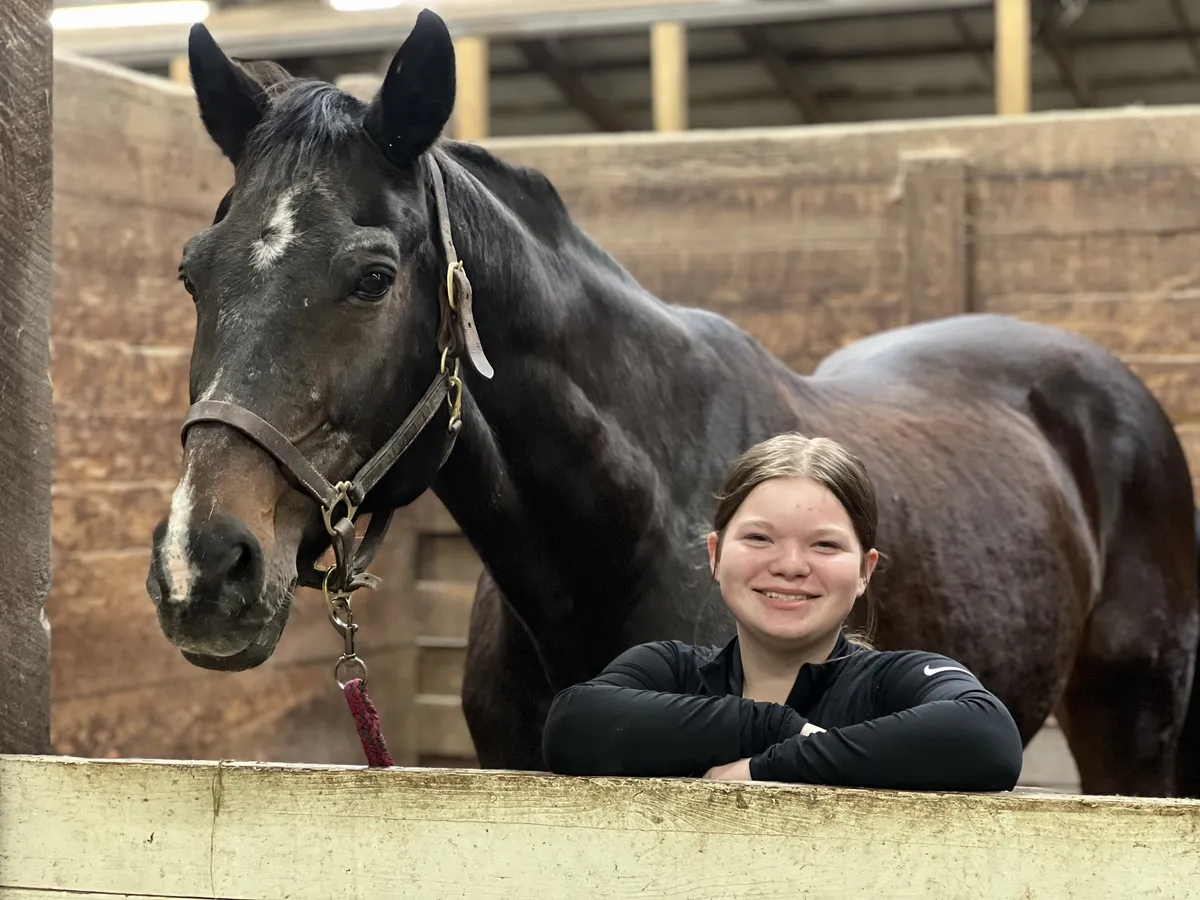
Students learn the daily routines that keep horses healthy and comfortable, and what it means to be responsible for another living being.
TEN LEVELS
Ten Levels of Development.
Level 1
Learn basic horse care, safe handling, grooming, tacking, and the foundations of riding at the walk.
Level 2
Build confidence at the trot while learning posting diagonals, steering, balance, and greater independence with horses.
Level 3
Develop independent riding skills, improve accuracy and control, and begin learning groundwork and horse training techniques.
Level 4
Introduce jumping through crossrails while developing stronger riding positions, better communication, and more advanced horse care.
Level 5
Master the foundations of the canter, recognize leads, improve transitions, and develop confidence riding fences.
Level 6
Learn to ride complete jumping courses, understand distances and striding, and develop more advanced flatwork and horsemanship skills.
Level 7
Refine precision, balance, and communication through advanced flatwork, jumping exercises, and independent horse management.
Level 8
Choose a Showing Major or Young Horse Major and begin developing specialized skills in competition or horse training.
Level 9
Apply advanced riding, training, and horse-care knowledge while developing greater independence and expertise within your chosen major.
Level 10
Demonstrate mastery of the five pillars through advanced practical assessments, thoughtful decision-making, and responsible horsemanship.
Every level develops five essential pillars: Riding, Horsemanship, Knowledge, Tack & Tacking, and Stable Management. Students earn recognition for completing each pillar and a rosette when they successfully complete all five.
Must ride twice a week to canter and jump. Leasing is required to jump higher than eighteen inches.
Levels of Horsemastership Curriculum
The Confident Beginner
Learn basic horse care, safe handling, grooming, tacking, and the foundations of riding at the walk.
The Developing Rider
Build confidence at the trot while learning posting diagonals, steering, balance, and greater independence with horses.
The Independent Rider
Develop independent riding skills, improve accuracy and control, and begin learning groundwork and horse training techniques.
Over the First Fence
Introduce jumping through crossrails while developing stronger riding positions, better communication, and more advanced horse care.
The Cantering Rider
Master the foundations of the canter, recognize leads, improve transitions, and develop confidence riding fences.
The Course Rider
Learn to ride complete jumping courses, understand distances and striding, and develop more advanced flatwork and horsemanship skills.
The Skilled Equestrian
Refine precision, balance, and communication through advanced flatwork, jumping exercises, and independent horse management.
The Specialist
Choose a Showing Major or Young Horse Major and begin developing specialized skills in competition or horse training.
The Advanced Equestrian
Apply advanced riding, training, and horse-care knowledge while developing greater independence and expertise within your chosen major.
The HorseMaster
Demonstrate mastery of the five pillars through advanced practical assessments, thoughtful decision-making, and responsible horsemanship.
Every level develops five essential pillars: Riding, Horsemanship, Knowledge, Tack & Tacking, and Stable Management. Students earn recognition for completing each pillar and a rosette when they successfully complete all five.
Progress at Every Rider’s Pace.
Advancement is based on genuine skill and understanding, not age or attendance alone.
Some riders move quickly through a level. Others take more time to feel secure before they move on. Both are perfectly fine. What matters is that each new skill rests on a strong foundation.
We meet every rider where they are, and we give them something meaningful to work toward next.
Celebrating Accomplishments.
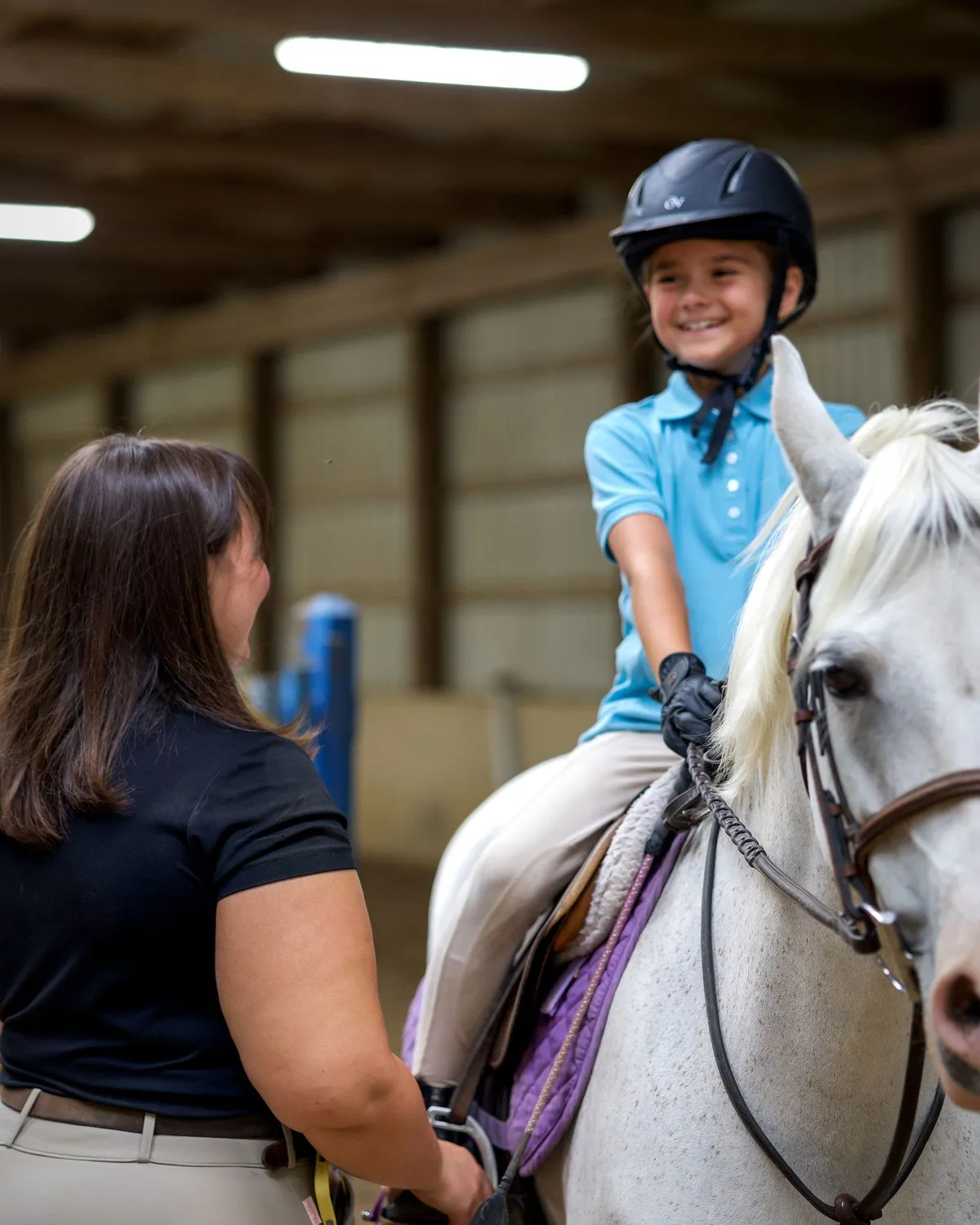
Meaningful goals give riders a reason to keep practicing when something is hard, and recognition shows them how far they’ve come.
Completing a pillar or a level is an accomplishment worth celebrating, and we make sure it’s noticed.
FOR CURRENT MEMBERS
Member Learning Platform.
Members have access to the detailed Levels of Horsemastership curriculum and learning resources through our member learning platform.
More Than Just an Hour in the Saddle.
New families can start with a trial lesson or a barn tour.