

HORSEMANSHIP CLASSES
Learning to Listen. Learning to Care.
There's so much more to being an equestrian than learning to ride.
Our Horsemanship Classes give students the opportunity to understand the horses they love, learn the responsibilities that come with caring for them, and develop practical skills that make them more capable and confident around horses.
Because good horsemanship begins long before we put a foot in the stirrup.
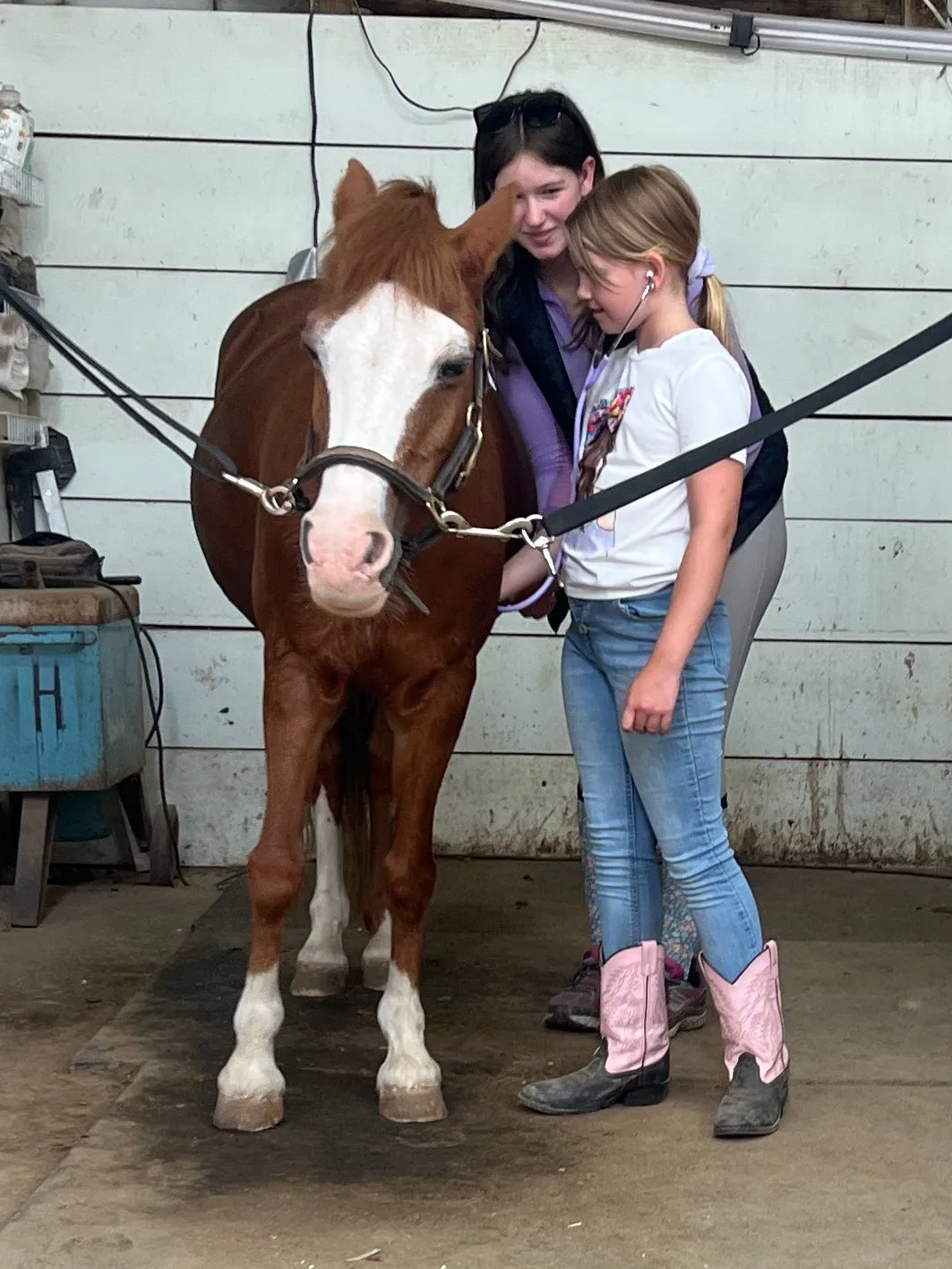
LEARNING TO UNDERSTAND HORSES
The Horse Has a Voice.
Horses communicate with us all the time.
They tell us when they’re comfortable, uncertain, confused, or uncomfortable.
We want students to recognize those signals and understand what they mean.
When a horse struggles, we look for the reason.
Good horsemanship begins with listening.
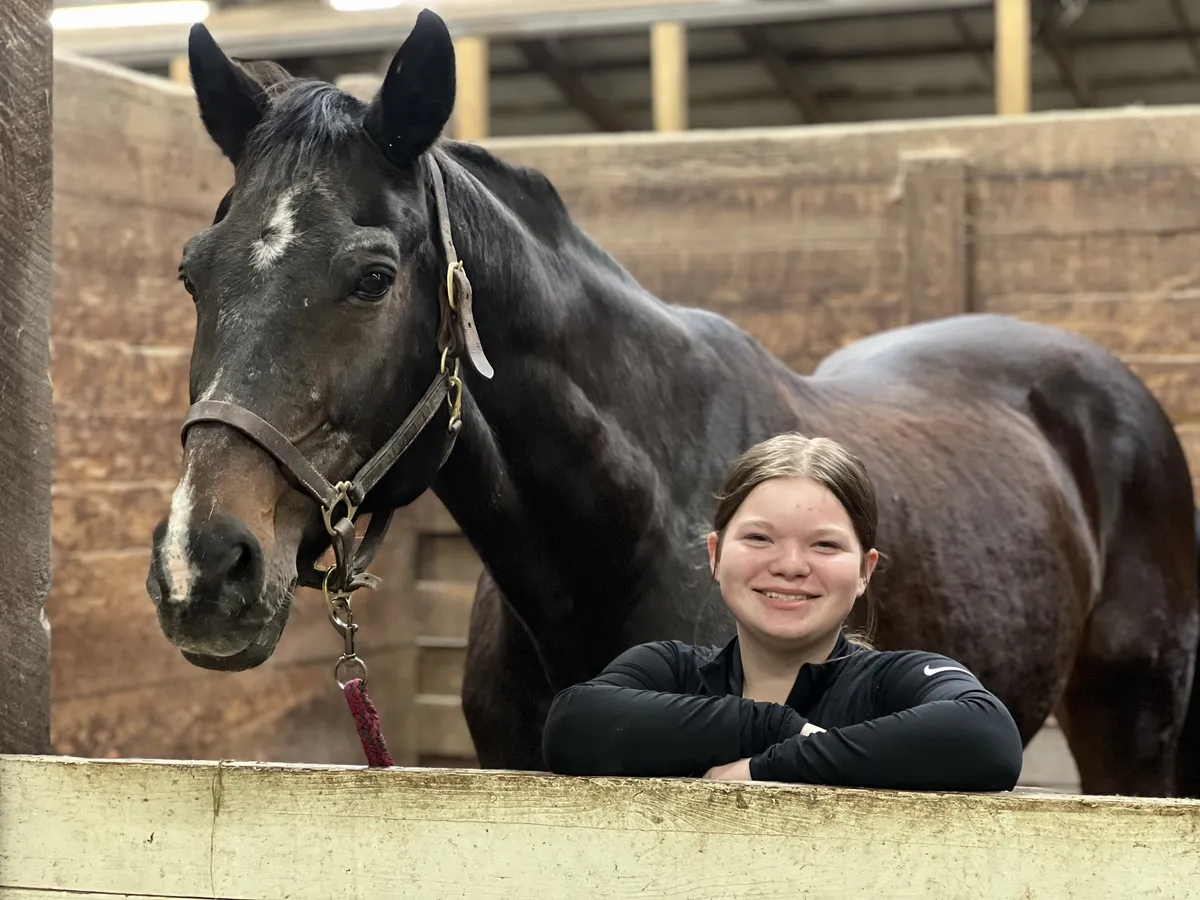
Real Skills. Real Responsibilities.
Grooming & Daily Care
Proper grooming, caring for the horse, and recognizing changes in comfort or condition.
Horse Behavior & Communication
Understanding body language and recognizing what horses communicate.
Tack & Equipment
Learning equipment identification, care, function, and proper fit.
Handling & Safety
Developing safe, thoughtful habits around horses.
Stable Management
Understanding daily care, routines, and responsibilities.
Equine Knowledge
Learning horse anatomy, terminology, health, and essential equestrian information.
Better Understanding Makes Better Riders.
The more a rider understands about horses, the better they ride.
A student who knows how a saddle should fit notices when it doesn't. A student who has learned to read body language sees a horse's worry before it becomes a problem. A student who has groomed carefully knows what is normal for that horse, and what isn't.
That knowledge makes riders safer, more patient, and more effective in the saddle.
LEVELS OF HORSEMASTERSHIP
Horsemanship and Levels of Horsemastership.
Horsemanship Classes connect directly to the five pillars of our Levels of Horsemastership curriculum. What students learn here helps them complete the Knowledge, Horsemanship, Tack & Tacking, and Stable Management pillars at every level, alongside their Riding.
Riding
Position, balance, coordination, and communication.
Knowledge
Understanding horses, riding, and safety.
Horsemanship
Horse behavior, communication, handling, and care.
Tack & Tacking
Understanding equipment, proper fit, and preparing horses for riding.
Stable Management
Daily horse care and responsibility.
What Classes Look Like.
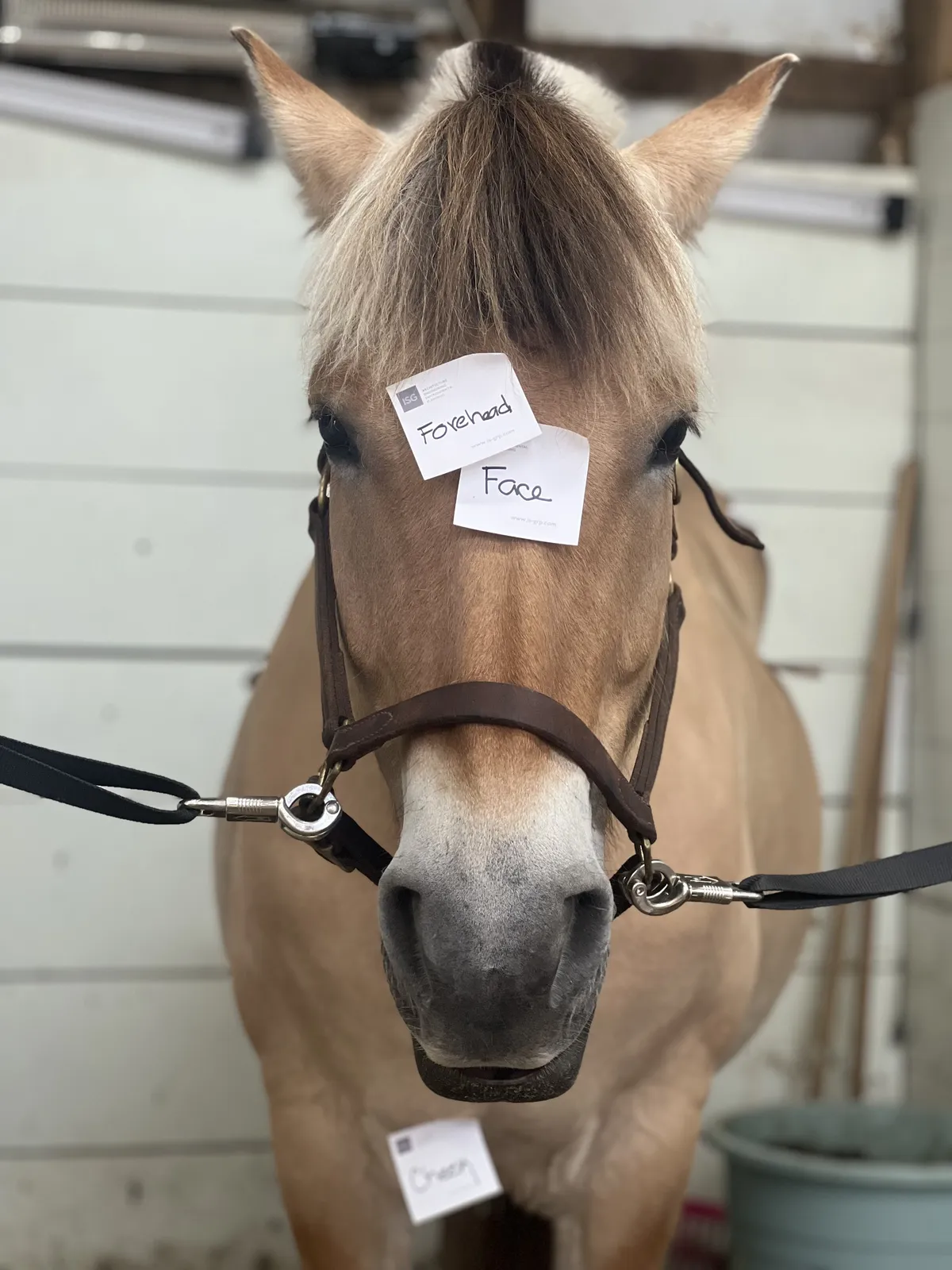
Classes are hands-on. Students spend time with the horses, watch and learn from demonstrations, practice grooming and daily care, work with tack and equipment, and cover the subjects that are part of Levels of Horsemastership.
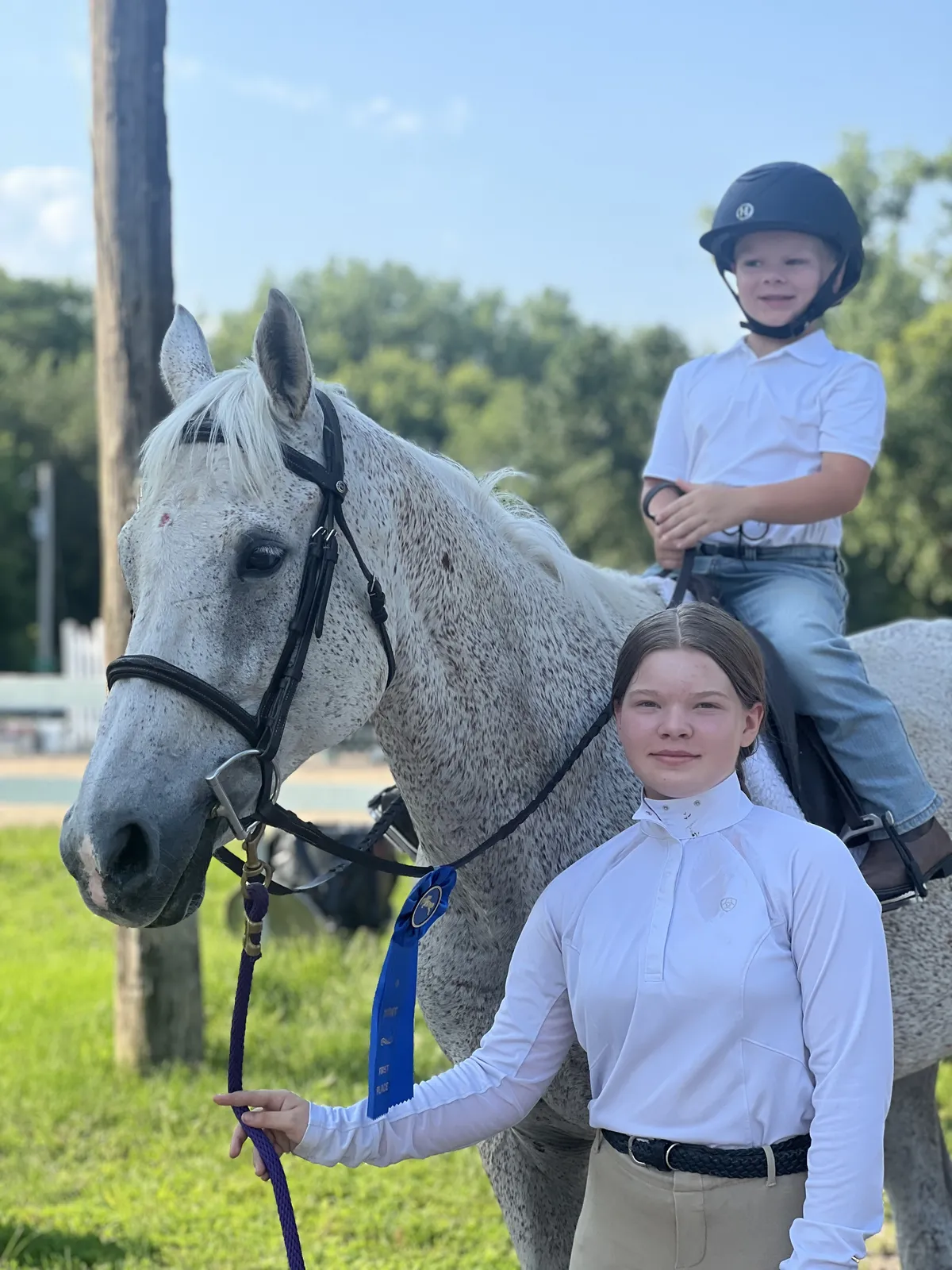
Horse Care Is a Responsibility.
At AME, a horse's physical and emotional needs deserve real attention and consideration.
Horses need comfort, consistency, and care every day, not only on the days they're ridden. We teach students to notice how a horse is feeling, to think about what might be bothering them, and to take that seriously.
Caring for another living being is one of the most valuable things a young equestrian can learn.
MEMBERSHIPS
Membership Information.
Horsemanship Classes are included in applicable riding memberships. Participation is optional.
Aspiring Equestrian ($325/mo): four horsemanship classes monthly (optional)
Sophisticated Equestrian ($565/mo): unlimited horsemanship classes monthly (optional)
Premier Equestrian ($795/mo): unlimited horsemanship classes monthly (optional)
Class Scheduling.
Wednesday
6 PM
Saturday
2 PM
Classes are 60 minutes and open to AME members of all ages and levels.
More Than Learning to Ride.
LEVELS OF HORSEMASTERSHIP
The Same Equestrian Education.
Homeschool students follow the same ten-level Levels of Horsemastership curriculum as our regular youth riding program. The education is the same. The difference is the designated daytime schedule.
Riding
Position, balance, coordination, and communication.
Knowledge
Understanding horses, riding, and safety.
Horsemanship
Horse behavior, communication, handling, and care.
Tack & Tacking
Understanding equipment, proper fit, and preparing horses for riding.
Stable Management
Daily horse care and responsibility.
HORSEMANSHIP
Learning Beyond the Saddle.
Some of the most practical learning happens on the ground.
Homeschool students learn to groom and care for horses, read horse behavior, handle horses safely, identify and fit tack, and take part in the daily stable routines that keep horses healthy and comfortable.
Along the way, they learn what it means to be responsible for another living being.
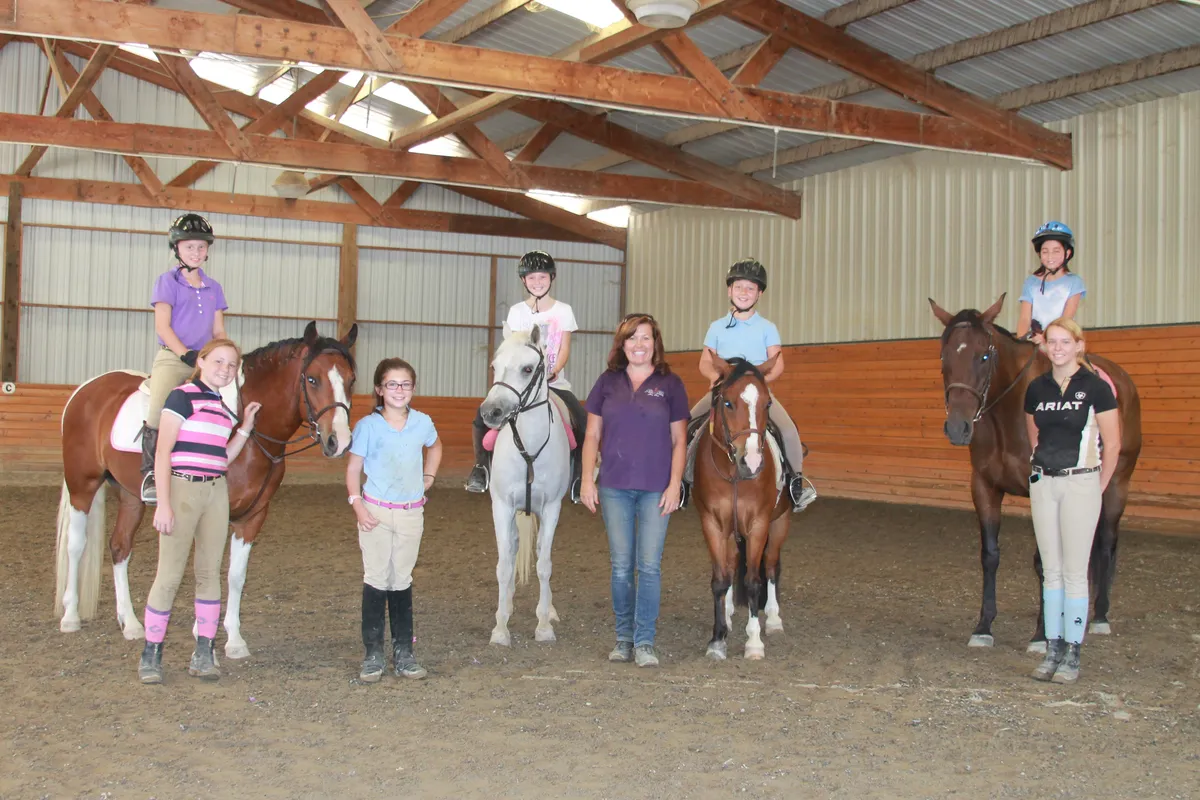
Friendships and Community.
Riding during the school day brings homeschool students together with other young equestrians who share their love of horses.
They learn alongside one another, cheer each other on, and often find that the friends they make at the barn are part of what they look forward to most.
Homeschool Membership
$295 /mo
- Four riding lessons per month
- Four optional horsemanship classes per month
- Levels of Horsemastership curriculum
Who Can Join?
The Homeschool Riding Program is open to beginner and intermediate riders.
Scheduling.
Homeschool Lessons run Monday through Friday in the early afternoon. Times vary by day and riding level.
Homeschool memberships are restricted to designated Homeschool lesson times. Members cannot use their Homeschool memberships to book other regular riding lesson times.
Must ride twice a week to canter and jump. Leasing is required to jump higher than eighteen inches.
Getting Started.
The best way to see if the Homeschool Riding Program is right for your family is to visit. Book a $10 Barn Tour to meet our horses and ask questions, or a $75 Trial Lesson so your child can experience a lesson firsthand.
New families can start with a trial lesson or a barn tour.